
High BP Management: How to Control High Blood Pressure Naturally
High blood pressure, also known as hypertension, is one of the most common health concerns affecting people worldwide. Many people have high blood pressure without experiencing noticeable symptoms, which is why it is often called a silent killer.
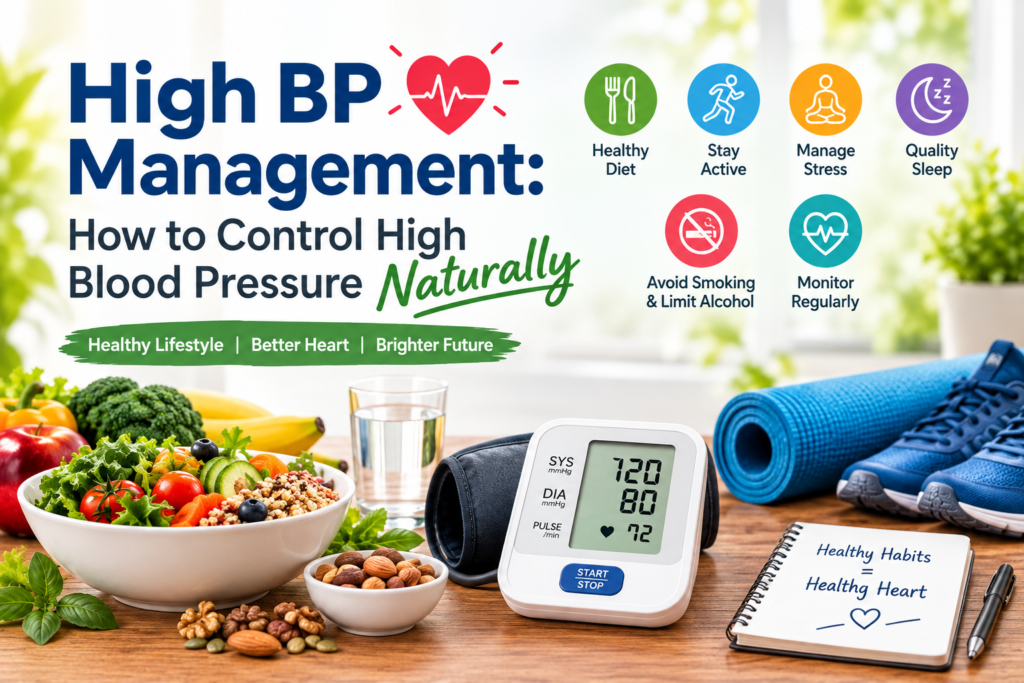
If you are wondering how to control high BP naturally, the good news is that healthy lifestyle changes can play an important role in managing blood pressure and supporting long-term heart health.
However, natural approaches should complement medical care, not replace prescribed medication or professional treatment.
In this article, we will explore the causes of high blood pressure, common risk factors, practical lifestyle tips, and ways to support better cardiovascular health.
What Is High Blood Pressure (Hypertension)?
Blood pressure measures the force of blood pushing against the walls of your arteries as your heart pumps blood.
It is expressed using two numbers:
- Systolic Pressure: The upper number, measuring pressure when the heart beats.
- Diastolic Pressure: The lower number, measuring pressure when the heart relaxes between beats.
Blood pressure that remains consistently elevated can increase the risk of heart disease, stroke, kidney problems, and other health complications.
A healthcare professional can determine whether your readings indicate hypertension based on repeated measurements and the clinical guidelines appropriate to your situation.
What Are the Common Causes of High BP?
High blood pressure can develop due to a combination of lifestyle, genetic, and medical factors.
Some common risk factors include:
- Excessive salt consumption
- Lack of physical activity
- Being overweight or obese
- Chronic stress
- Smoking and excessive alcohol consumption
- Family history of hypertension
- Poor sleep quality
- Certain medical conditions, including kidney disease
Understanding these factors can help you take practical steps toward healthier blood pressure management.
8 Effective Lifestyle Tips to Manage High Blood Pressure
1. Follow a Heart-Healthy Diet
A balanced diet is one of the most important steps in managing high blood pressure.
Include more:
- Fresh fruits and vegetables
- Whole grains
- Beans and lentils
- Nuts and seeds in appropriate portions
- Low-fat dairy or suitable alternatives
- Healthy sources of protein
The DASH (Dietary Approaches to Stop Hypertension) eating plan is a well-studied dietary approach that can help reduce blood pressure.
Healthy Tip: Choose fresh, minimally processed foods whenever possible.
2. Reduce Your Daily Salt Intake
Consuming too much sodium can contribute to increased blood pressure.
To reduce sodium intake:
- Limit packaged and processed foods.
- Reduce salty snacks, pickles, and papad.
- Check nutrition labels.
- Use herbs and spices to add flavour instead of extra salt.
The World Health Organization recommends that adults consume less than 2,000 mg of sodium per day, equivalent to less than 5 grams of salt from all sources.
3. Stay Physically Active
Regular physical activity can help strengthen your heart and support healthier blood pressure levels.
Consider activities such as:
- Brisk walking
- Cycling
- Swimming
- Yoga
- Other moderate-intensity exercises
Most adults should aim for at least 150 minutes of moderate-intensity aerobic activity per week, according to general health recommendations.
If you have uncontrolled hypertension or another medical condition, consult your healthcare professional before beginning a new exercise programme.
4. Maintain a Healthy Body Weight
Excess body weight can increase the workload on your heart and contribute to hypertension.
Even modest, sustainable weight loss may help improve blood pressure in people who are overweight.
Focus on balanced meals, regular movement, adequate sleep, and long-term healthy habits rather than crash diets.
5. Manage Stress Through Relaxation Techniques
Stress can temporarily increase blood pressure and may contribute to unhealthy lifestyle habits.
Useful stress-management practices include:
- Meditation
- Gentle yoga
- Relaxation exercises
- Spending time outdoors
- Maintaining a consistent daily routine
These activities may support emotional well-being and complement other blood pressure management strategies.
6. Get Enough Quality Sleep
Poor sleep and certain sleep disorders are associated with increased cardiovascular risk.
To support better sleep:
- Maintain a consistent sleep schedule.
- Avoid excessive caffeine late in the day.
- Reduce screen time before bedtime.
- Create a comfortable sleeping environment.
Adults generally need around 7–9 hours of sleep per night.
Persistent snoring, interrupted breathing during sleep, or excessive daytime sleepiness should be discussed with a healthcare professional.
7. Avoid Smoking and Limit Alcohol
Smoking damages blood vessels and increases cardiovascular risk.
Quitting smoking is one of the most beneficial steps you can take for heart health.
Alcohol consumption can also raise blood pressure, especially when consumed excessively. Avoiding alcohol or reducing consumption can support better blood pressure management.
8. Monitor Your Blood Pressure Regularly
Regular monitoring helps you understand your blood pressure patterns and evaluate how well your management plan is working.
For accurate home readings:
- Use a validated upper-arm blood pressure monitor.
- Sit quietly for at least five minutes before measuring.
- Keep your feet flat on the floor.
- Support your arm at heart level.
- Avoid caffeine, smoking, and exercise for 30 minutes beforehand.
- Record your readings and discuss them with your doctor.
Important: Never stop prescribed blood pressure medication simply because a home reading appears normal.
Can Ayurveda and Natural Wellness Support High BP Management?
Ayurveda and holistic wellness approaches often emphasise balanced nutrition, daily routines, relaxation, and healthy lifestyle habits.
Some practices, such as gentle yoga, meditation, and stress reduction, may complement conventional hypertension management.
However, evidence for specific Ayurvedic herbs or formulations in treating hypertension remains limited, and certain products may interact with blood pressure medications.
Therefore, anyone considering Ayurvedic treatments or herbal supplements should consult a qualified healthcare professional and inform their prescribing doctor.
Natural wellness should be viewed as supportive care rather than a substitute for proven hypertension treatment.
What Foods Should You Limit If You Have High BP?
Certain foods may contribute to excessive sodium intake or make a heart-healthy diet more difficult to maintain.
Try to limit:
- Highly processed snacks
- Excessively salty foods
- Instant noodles and packaged soups
- Processed meats
- Foods high in saturated fats
- Sugar-sweetened beverages
Instead, prioritise a varied diet rich in vegetables, fruits, whole grains, and nutritious protein sources.
When Should You Consult a Doctor for High Blood Pressure?
High blood pressure often causes no noticeable symptoms.
Consult a healthcare professional if your blood pressure readings are repeatedly elevated or if you have existing risk factors for cardiovascular disease.
Seek emergency medical care immediately if you experience chest pain, severe shortness of breath, sudden weakness, difficulty speaking, or other possible symptoms of a heart attack or stroke.
If your blood pressure is above 180/120 mmHg, repeat the measurement after at least one minute. If it remains that high, seek urgent medical advice; if you also have concerning symptoms, contact emergency services immediately.
High BP Management Support at Live Nature Integrated Health & Wellness Centre
At Live Nature Integrated Health & Wellness Centre, we believe that healthy lifestyle habits and personalised wellness guidance can contribute to overall well-being.
Our wellness-focused approach emphasises:
- Healthy lifestyle awareness
- Nutrition and daily routine guidance
- Stress management and relaxation
- Yoga and holistic wellness practices
- Individualised wellness support
These services are intended to complement, not replace, medical diagnosis, monitoring, and treatment for hypertension.
Live Nature Integrated Health & Wellness Centre
📍 Ropar, Punjab
📞 +91 90411 27541
Contact our team to learn more about our wellness services.
Frequently Asked Questions (FAQs)
Q1. How can I control high BP naturally?
Healthy lifestyle changes, including reducing sodium, eating a balanced diet, exercising regularly, maintaining a healthy weight, and managing stress, can help lower blood pressure. Some people also require medication.
Q2. Can high blood pressure be cured permanently?
High blood pressure can often be effectively controlled, but many people require ongoing lifestyle management, monitoring, and sometimes lifelong medication. The appropriate treatment depends on the underlying cause and individual health factors.
Q3. Is walking good for high blood pressure?
Yes. Regular walking is a beneficial form of physical activity that can support cardiovascular health and help lower blood pressure over time.
Q4. Can stress increase blood pressure?
Stress can temporarily raise blood pressure. Stress management may support overall cardiovascular well-being, although it should not replace prescribed hypertension treatment.
Q5. Can Ayurveda replace blood pressure medicines?
No. Ayurvedic practices should not replace prescribed blood pressure medicines. Discuss any herbs, supplements, or complementary therapies with your healthcare professional.
Q6. Which foods are good for high blood pressure?
Fruits, vegetables, whole grains, beans, nuts, and other foods commonly included in the DASH eating plan can support healthy blood pressure management.
Conclusion
Managing high blood pressure requires consistency, awareness, and a balanced approach to health.
A nutritious diet, regular exercise, reduced sodium intake, stress management, adequate sleep, and routine blood pressure monitoring can all contribute to healthier blood pressure levels.
If you are exploring natural ways to manage high BP, remember that lifestyle changes work best alongside appropriate medical guidance and prescribed treatment.
Take small steps today toward better heart health and long-term wellness.
Medical Disclaimer: This article provides general health information and does not replace professional medical advice, diagnosis, or treatment. Always consult a qualified healthcare professional for hypertension management.